
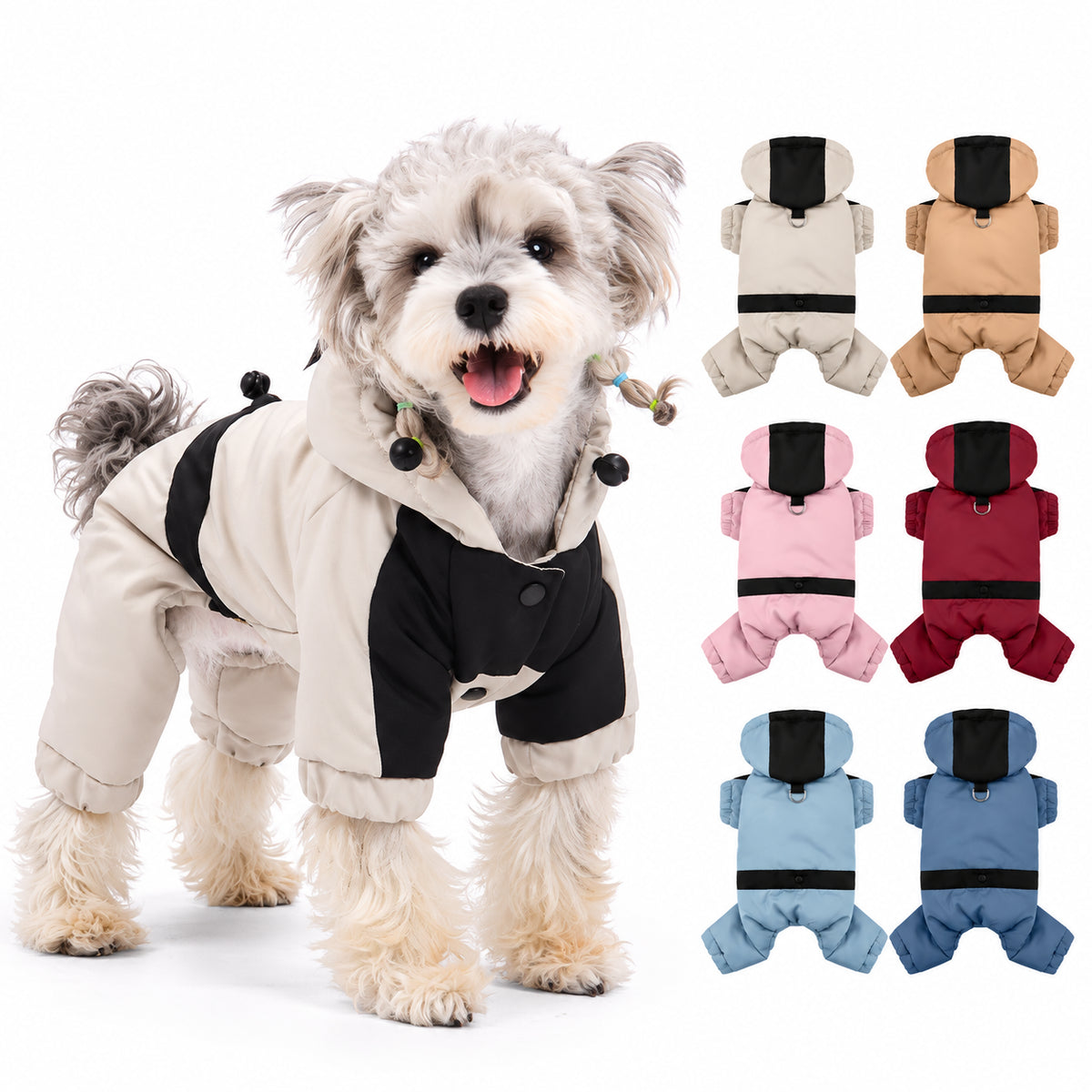
Yes — most dogs need a little extra help staying warm on winter walks, especially short-haired breeds, puppies, and older dogs. A well-fitted padded coat that covers the chest, belly, and all four legs, combined with shorter walks on the coldest days, is usually enough to keep your dog comfortable and safe outdoors.
Winter walks do not have to stop when the temperature drops. Dogs still need exercise and fresh air — the trick is to adjust the routine to the weather. A few simple habits make winter outings pleasant for both of you.
How Cold Is Too Cold for a Walk?
There is no single temperature that works for every dog. A thick-coated Husky may love a snowy morning, while a short-haired Chihuahua can start shivering in minutes. As a general guide, most dogs are comfortable walking down to about 20°F (-7°C) if they are healthy and moving. Below that, keep walks short and pay close attention to your dog's behavior.
Wind chill matters as much as the temperature on the thermometer. A calm 25°F day can feel fine, while the same temperature with a sharp wind can cut a walk short. Damp cold is harder on dogs too, so wet snow and slush call for extra protection on the belly and legs, where slush splashes up with every step.
Signs Your Dog Is Feeling Cold
Dogs tell you they are cold long before they are in trouble. Watch for shivering, a tucked tail, lifted paws, or a dog that keeps stopping and looking back toward home. Some dogs slow down, hunch their backs, or try to find shelter behind a wall or under a car. If you see any of these signs, head home and warm your dog up with a towel rub and a cozy spot indoors.
Paws deserve special attention in winter: ice, salt, and de-icing chemicals can irritate the pads. After every walk, rinse or wipe your dog's paws with warm water and check for cracks, redness, or grit stuck between the toes.
How to Dress Your Dog for Winter
A good winter coat traps warmth, blocks wind, and keeps slush off the belly and legs. Look for padded insulation, a snug but comfortable fit, and coverage that reaches down the legs rather than stopping at the back. A hood is a bonus on snowy days, and a coat that is easy to put on makes the routine smoother.
Fit matters more than style: the coat should sit flat without pulling, leave the legs free to move, and fasten securely without rubbing. Measure your dog's back and chest before ordering, and check the size chart.
For a ready-made option, the OIKEIOS Four-Leg Padded Winter Dog Snowsuit with Hood ($34.99) is built for exactly this job: a padded, hooded design with full four-leg coverage that keeps the chest, belly, and legs protected on chilly walks. It comes in beige in sizes S through 2XL, so it fits a wide range of dogs.
A Simple Winter Walk Routine
A little planning turns a cold walk into a good one. Try this routine on winter mornings:
- Check the weather first. If it is below 20°F, or the wind chill is biting, plan a shorter loop and save the long walk for a milder part of the day.
- Dress your dog before the door. Put the coat on indoors so your dog steps out already warm.
- Keep moving. A steady walking pace generates body heat. Long stops in one place let the cold creep in.
- Choose your route. Plowed paths are kinder on paws than deep snow, and avoid heavily salted roads when you can.
- Warm up at home. Towel off the paws and belly, hang the coat up to dry, and let your dog settle in a warm spot with fresh water.
Short, regular walks beat one long freezing outing — two 15-minute walks often work better than a single 30-minute walk on a bitter day.
FAQ
Does my dog really need a winter coat?
Not every dog does. Thick-coated breeds with a dense double coat often handle cold well on their own. Short-haired dogs, puppies, older dogs, and dogs with little body fat usually benefit from a coat.
How long can my dog safely walk in winter?
It depends on the temperature, the wind, and your dog's coat and condition. On a mild winter day, a normal-length walk is fine. In very cold weather, aim for 10 to 20 minutes and watch for shivering or lifted paws, which mean it is time to head home.
What should I do about salt and ice on my dog's paws?
Rinse or wipe the paws with warm water after every walk, and check between the toes for grit or ice. If your dog's pads look cracked or sore, keep walks shorter and talk to your veterinarian about a paw balm or protective boots.
Can puppies go out in the snow?
Yes, in short, supervised outings. Puppies lose body heat quickly, so keep first snow walks brief, dress them warmly, and bring them inside at the first sign of shivering.
Winter walks are one of the simple pleasures of the season — crisp air, quiet streets, and a happy dog trotting beside you. With the right coat and a little common sense about the weather, you and your dog can enjoy them all winter long.